Was this email forwarded to you? Subscribe for bi-monthly emails from PWN in your inbox!
Content Warning: many of these updates include information about harmful attacks on Black, Indigenous and people of color (BIPOC) and LGBTQ+ folx.
Remember that terrible ruling out of Texas in September, which allowed employers to refuse to cover costs for pre-exposure prophylaxis (PrEP) in employee insurance plans if they say they object to it on religious grounds?
Well, the judge has just released his final decision in the case and it is bad.
In his nationwide ruling, Judge O’Connor, a George W. Bush appointee to a federal court in Texas, also struck down the Affordable Care Act’s (ACA) preventive services requirement which mandates that health plans cover services like PrEP, screenings for HIV and STIs, cancer screenings, and breast and chest feeding services and support without any out-of-pocket costs to the individual patient.
Judge O’Connor was clear in singling out PrEP, and no other preventive services, when deciding the required coverage of PrEP violated the Religious Freedom Restoration Act (RFRA). This is a clear attack on PrEP and this decision to allow religious objections to an essential HIV prevention medication is rooted in deeply homophobic, dangerous, and harmful beliefs surrounding PrEP and those who use it.
According to the judge: “compulsory coverage for those services violates religious beliefs by making them complicit in facilitating homosexual behavior, drug use, and sexual activity outside of marriage between one man and one woman.”
This decision will have a monumental impact on affordable access to crucial services and could affect up to 168 million people on employer health insurance and in the Obamacare individual marketplace. The return of cost-sharing will disproportionately deter many, especially those struggling to make ends meet, from seeking needed care. The case will likely be appealed, meaning a higher court will review the judge's decision.
PWN-USA will follow up with more information on this decision and will follow the case as it moves through the courts.
The Supreme Court of the United States will be deciding their biggest cases of the 2022-2023 term over the next couple of months. The Supreme Court is the highest court in the United States and has the power to decide cases that have a lasting impact on our rights and lives. Last term, the Supreme Court overturned Roe v. Wade, ending the federal constitutional right to abortion. This term, the Supreme Court has more monumental cases in front of them.
Here are some cases to watch that will have a concrete impact on our communities and the lives of people living with HIV:
LGBTQ+ Rights: In 303 Creative LLC v. Elenis, a Colorado graphic designer refused to create a website for same-sex couples. A decision for the designer would make Colorado’s law prohibiting discrimination against LGBTQ+ customers, as well as any other state laws that provide similar protections, invalid. A bad ruling case would have extremely harmful effects including giving business owners broad rights to discriminate against LGBTQ+ people.

Voting Rights: There are two vital Supreme Court voting rights cases this term. In Moore v. Harper, the Supreme Court could effectively allow state legislatures to set their own rules for presidential and congressional elections. The proponents of this case are seeking to control federal elections without constitutional oversight, and many are worried that a bad decision in this case could give states broad authority to change election rules in ways that benefit one political party. In Merrill v. Milligan, the Supreme Court could decide whether to make its temporary order allowing discriminatory redistricting plans in Alabama permanent. The case stems from the claim that the power of Black voters in Alabama was diluted through a congressional redistricting map that includes only one majority Black district out of seven. This is even though African-Americans make up more than a quarter of the state’s population.
Education: In Students for Fair Admissions (SFFA) v. Harvard and SFFA v. University of North Carolina, the Supreme Court will decide cases that will have serious impacts for affirmative action and racial justice. These cases were brought by anti-civil rights radical activists as part of a larger effort to end race-conscious admissions policies, which were created to level the playing field by neutralizing the effect of years of systemic racial discrimination and oppression. The cases, brought by Asian Americans recruited by the anti-civil rights activists, attempts to drive a wedge in interracial solidarity and attack race-conscious policies and programs that facilitate opportunities for all people of color and benefit all students.

Economic Justice: In a case before the Supreme Court are lawsuits opposing the Biden administration’s plan to forgive up to $20,000 in student debt for borrowers with annual incomes under $125,000. The legal argument supporting the loan forgiveness plan is that federal law allows for the government to forgive debt in cases of emergency, such as the COVID-19 pandemic. People opposing student debt forgiveness argue that it is unfair to people without student debt. But most borrowers aren’t affluent—and many never complete their higher education. Meanwhile, loan debt prevents these same folx from buying homes, starting families or simply making ends meet. Additionally, this plan will primarily reach people who live in lower-income communities which means working parents and people of color will benefit.
Many of these decisions may come toward the court’s unofficial end in late June. We will continue to provide updates as the Supreme Court releases its decisions in these cases. To learn more, check out C-SPAN’s series of videos previewing the Supreme Court’s 2022-2023 term.
March 25th to 31st is the Trans Week of Visibility and Action. The continued wave of political attacks on the rights, dignity and humanity of trans and non-binary people is a crisis. Lawmakers in many states are effectively attempting to legislate transgender and non-binary people out of existence.
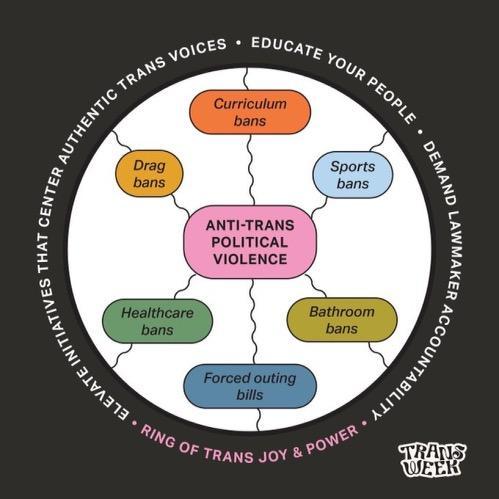
The graphic above shows multiple forms of anti-trans political violence, all of which are being pushed by lawmakers in states across the U.S.. For example, Tennessee signed a law targeting drag shows and is advancing a bill discriminating against LGBTQ+ people by attempting to use an outdated and harmful definition of “sex” throughout the state’s laws. Both Florida and Tennessee have banned essential gender-affirming health care for trans youth.
In positive news:
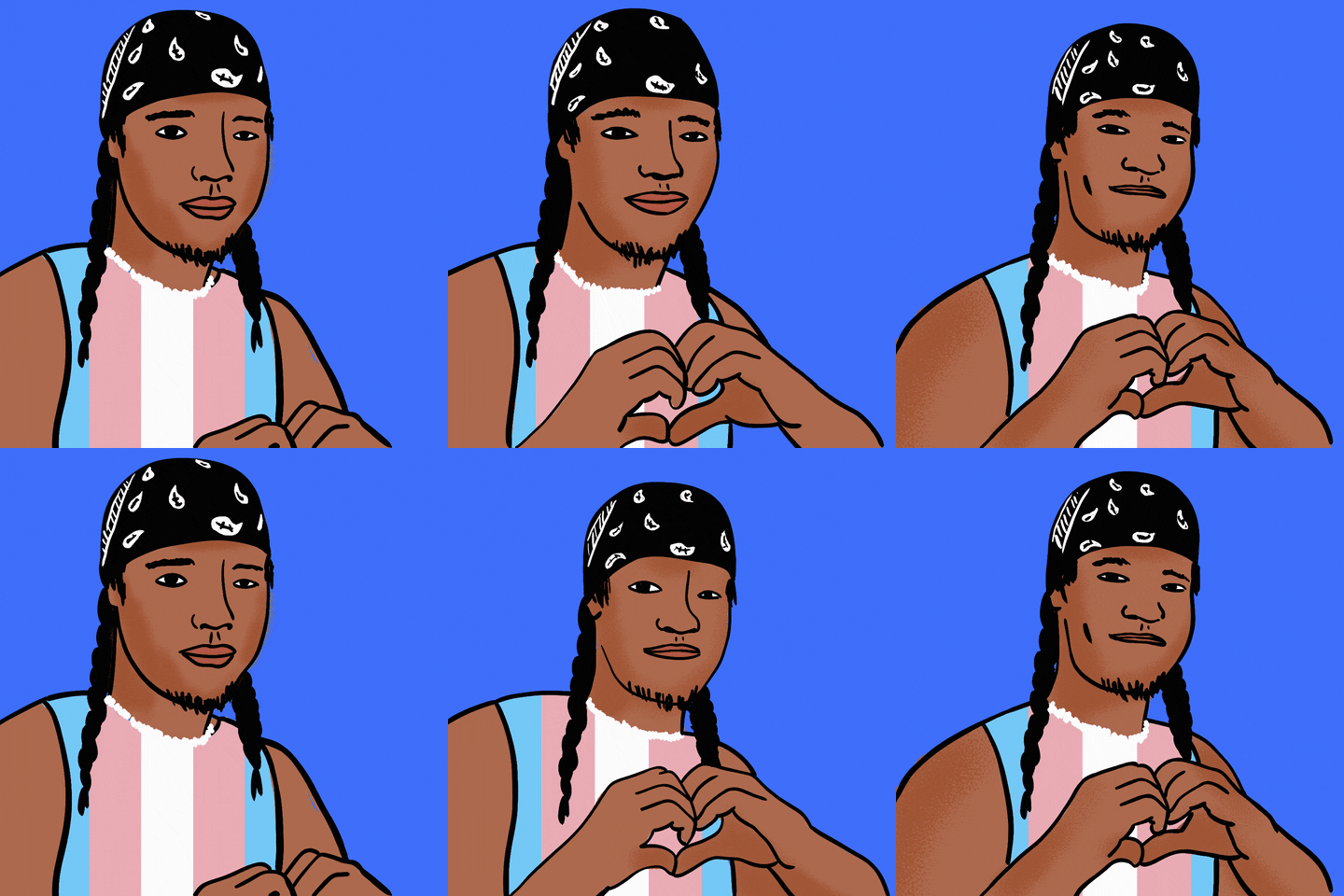
PWN is committed to elevating trans leadership, celebrating trans joy, brilliance and power, and demanding lawmaker accountability—not just during a week or on a day, but year-around and always.
One signup covers the monthly newsletter, policy updates, and statements. No spam. Unsubscribe at any time.


