Was this email forwarded to you? Subscribe for bi-monthly emails from PWN in your inbox!


Every month PWN puts out the Monthly Policy Update (MPU), tracking and analyzing the major policy changes that PWN members care about. For this special new year edition, here are the five biggest policy changes we tracked in 2022 that impacted the lives of women, trans and gender non-binary people living with HIV.

As many know, on June 24, 2022, the U.S. Supreme Court overturned Roe v. Wade, the landmark 1973 Supreme Court decision that solidified the constitutional right to abortion. Roe has never served all people or guaranteed abortion access for everyone. Abortion access has been out of reach for many Black folks, immigrants, people with disabilities, and folks who struggle to make ends meet because of systemic anti-Black racism, discrimination, and other barriers to care. Although reproductive justice does not begin or end with Roe and access to abortions, Roe was a critical victory for people of color.
The fall of Roe meant that many states could completely or effectively ban abortion. In 2022, 16 states had a near-total abortion ban in effect at some point in the year and as of December 2022, near-total abortion bans were in effect in 12 states.
Everyone, including people living with HIV, deserves easy access to abortion care. It is essential healthcare and a human right.
The National HIV/AIDS Strategy 2022-2025 (NHAS) was released in early 2022. It is the nation’s third national HIV strategy which outlines the federal government’s targets for ending the HIV epidemic in the United States by 2030. In August 2022, the federal administration released the Federal Implementation Plan which outlines the activities that federal agencies will do to meet the goals and strategies in the NHAS 2022-2025. The Federal Implementation Plan provides important activities, for example, creating five Quality of Life indicators to more meaningfully assess how the government can improve the lives and well-being of people living with HIV. However, there are still critical gaps that the federal government must address. PWN-USA is committed to holding the federal administration accountable as it continues to implement the NHAS through 2025.
In September 2022, a Texas federal judge ruled that the requirement that insurance plans cover pre-exposure prophylaxis (PrEP) without out-of-pocket costs violated the religious rights of an objecting employer. This ruling could undercut the Affordable Care Act’s preventive services mandate, potentially impacting out-of-pocket costs for crucial services such as cancer, HIV, and STI screenings, breast and chest-feeding services and support, and mental health interventions for pregnant and postpartum people. There is no clear impact from this case as of now. The outcome of this case is still being decided by the judge and many expect this case will make its way to the 5th Circuit Court of Appeals and then ultimately the Supreme Court.
From the continued COVID pandemic to the rise of Mpox in the U.S., our communities faced multiple public health emergencies in 2022. Throughout these states of emergencies, there continued to be active attacks on access to healthcare and systemic public health short fallings that disproportionately harm people living with HIV, Black, Indigenous, People of Color (BIPOC), people of trans experience, low-income and working-class people and people from the U.S. South and territories. PWN-USA honors our members in their struggle, grief, advocacy, and resilience during a year full of intentionally anti-Black, racist, classist, and ableist systemic challenges within the healthcare system at-large and public health emergencies.
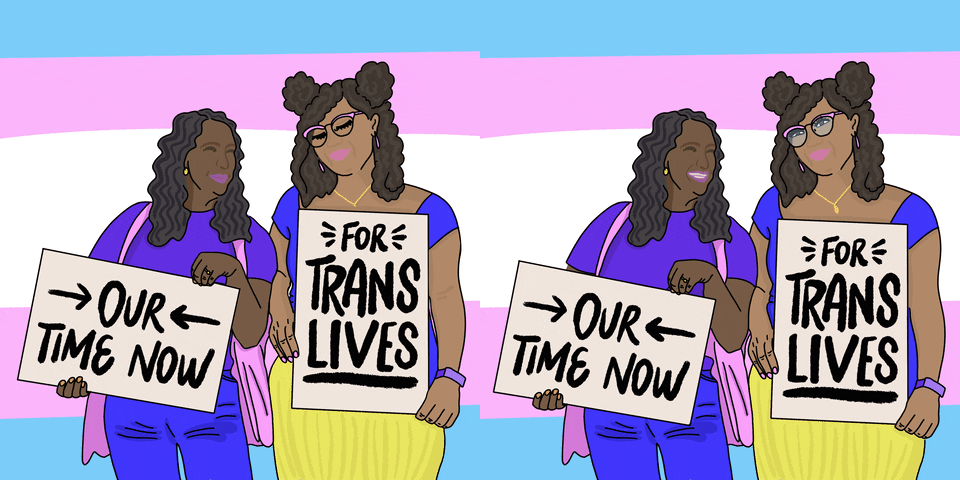
A news outlet analysis found that over the past two years, state lawmakers introduced at least 306 bills targeting trans people, more than in any previous period. About 15% of the bills have become law, which shows the increasing attacks on the humanity and rights of LGBTQ+ people in states across the country. More than half the states in the U.S. have sought to restrict gender-affirming health care, and in four states—Alabama, Arkansas, Arizona, and Tennessee—lawmakers have enacted either a partial or total ban on access to gender-affirming care. Though, in Alabama and Arkansas, the laws are not currently in effect due to court cases that have blocked them.
In 2022, we also saw some progress for LGBTQ+ rights. In December 2022, President Biden signed into law the Respect for Marriage Act which requires the federal government to recognize same-sex and interracial marriages. This is a significant federal protection for LGBTQ+ and interracial couples, but there is still work to be done to protect and guarantee the rights of same-sex couples and LGBTQ+ people everywhere.

Happy new year from me, your PWN policy-legal fellow, Amanda Le! I have been writing the #HIVResists Monthly Policy Updates since I joined PWN in September, highlighting important policy updates related to PWN’s priority issues.
In 2022, the PWN-USA policy team has seen a lot of growth. Kelly Flannery joined as Policy Director, Elena Ferguson joined as a Policy Specialist, and I joined as a PWN’s 2022-2023 Policy-Legal Fellow. We are grateful for this opportunity to work alongside you in advocating for meaningful and transformative policy change that centers the needs, voices, and experiences of people living with HIV.
As we start off 2023, I want to provide a January MPU that celebrates the policy work of PWN-USA, our chapters, and our members! This edition of the MPU highlights some of PWN’s policy-related achievements and activities from 2022.
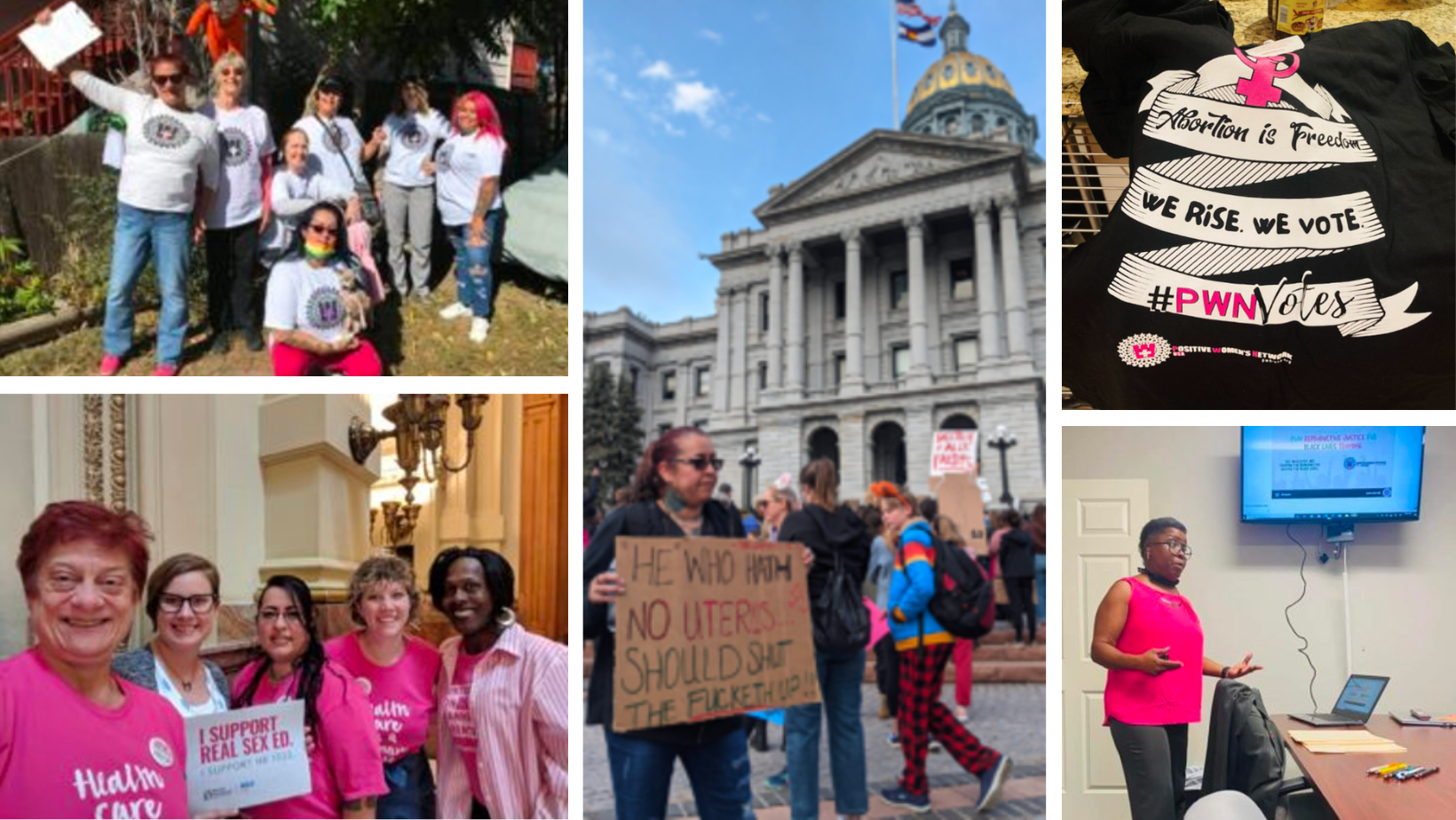
PWN-USA staff and PWN leaders participate in and lead work in a multitude of advocacy spaces and coalitions pushing meaningful policy work forward for people living with HIV. Here are just a few spaces in which PWN leaders and staff show up.
State Policy Coalition Spaces
Nationwide Coalition Spaces
The PWN-USA Policy Team is here to support you as PWN members, allies, and chapters. In 2022, we facilitated meaningful and impactful skill-building workshops and trainings to help you step into the expertise and knowledge you all already hold. Additionally, PWN-USA is committed to paying advocates! The Policy team is putting economic justice to practice by ensuring that advocates in policy team programs are adequately compensated for their labor and time. We plan to continue our role in supporting chapters, advocacy skill-building, and paying our people in 2023.
Keep following for all the amazing work to come in 2023!

One signup covers the monthly newsletter, policy updates, and statements. No spam. Unsubscribe at any time.


